
There’s something refreshing about an artist willing to follow their own path.
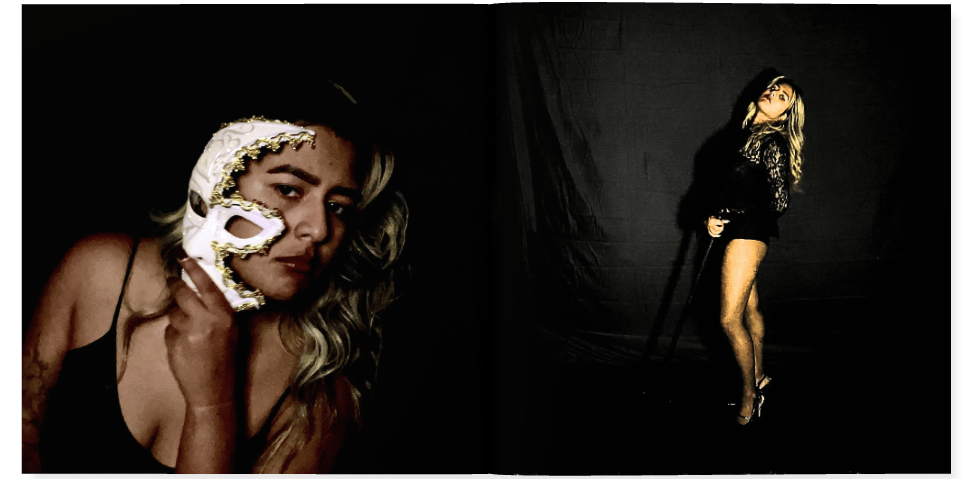
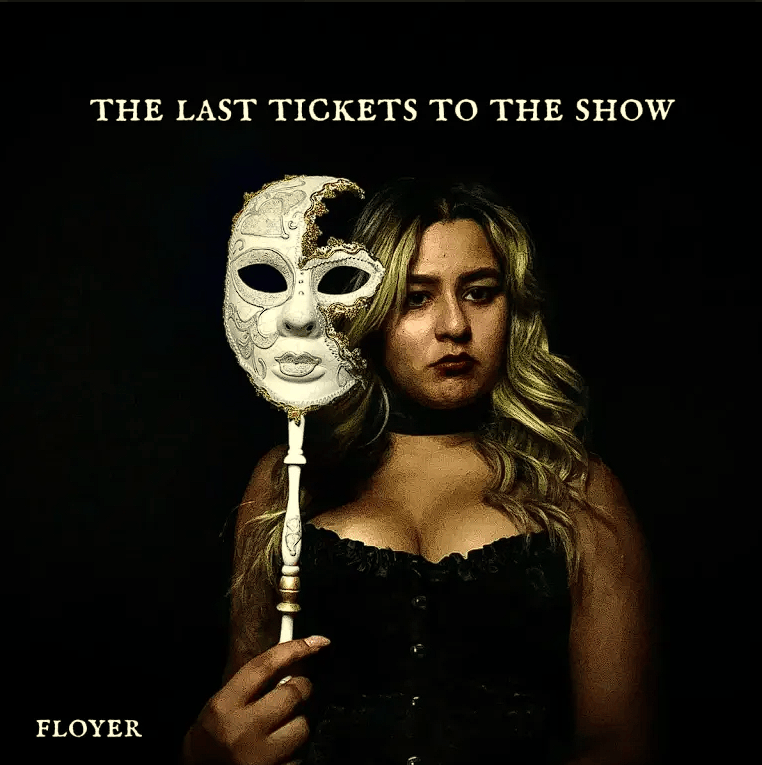
In a musical landscape where plenty of releases feel tailored towards playlists and algorithms, Birmingham’s Floyer has delivered something altogether more ambitious with The Last Tickets To The Show, a twelve-track concept album that transports listeners into a forgotten theatre populated by a cast of intriguing characters, each carrying their own stories of identity, isolation, relationships and observation.
Speaking about the origins of the record, Floyer told New Music Yorkshire:
“I thought it’d be interesting if each song on the album was one of those performances and the listener was essentially part of the audience.”
It’s a concept that runs through the entire album. Rather than feeling like a collection of disconnected tracks, The Last Tickets To The Show unfolds like a theatrical production, with every song contributing another performance, another perspective and another glimpse behind the curtain.
Opening track Smokey Room immediately stands out as one of the album’s strongest moments. Built around a fuzzy synth riff, powerful kick drum and glitch-infused electronics, it carries shades of The Kills, particularly in Floyer’s conversational vocal delivery before blossoming into something more melodic. The chorus is catchy without feeling forced, whilst the introduction of live drums midway through helps elevate an already engaging arrangement.
One line in particular lingers:
“I’m lying in a smokey room, and I’m lying ‘cos I’m all alone with people I don’t know.”
It perfectly captures one of the album’s recurring themes: feeling disconnected despite being surrounded by others.
Neighbours quickly shifts the sonic landscape. Beginning with delicate acoustic guitar and understated vocals, the song slowly expands through electronic beats, orchestral textures and a quietly unsettling narrative about crime, secrecy and consequences. It’s an easy listen on the surface, but there’s a darkness lurking underneath that rewards closer attention.
The album continues to develop its cinematic quality through tracks such as The Stories I Wrote, Shadow In The Dark and The Figures. Piano frequently takes centre stage throughout the record, acting as an emotional anchor before electronic textures, strings and percussion gradually enter the mix.
Particularly impressive is The Figures, which feels almost Florence + The Machine-esque at times during its larger moments, whilst retaining Floyer’s own distinct voice. Songs frequently shift between sparse arrangements and fuller crescendos, creating an interesting sense of movement throughout.
Interestingly, Floyer revealed:
“The characters weren’t really created for the theatre. The theatre was created to bring them all together.”
That statement perhaps explains why the characters feel authentic. They don’t come across as concepts squeezed into a storyline. Instead, the theatre acts as the thread connecting stories that already possessed their own identities.
The middle section of the album offers several highlights. Before The Ballet Ends combines vulnerable lyricism with subtle electronic influences and flashes of The Cure-esque atmosphere. Meanwhile, Screaming At Me injects a welcome dose of personality, with one particularly memorable guest appearance.
Speaking about the track, Floyer explained:
“Popcorn, my cat, somehow managed to get himself onto the album.”
Frankly, any album featuring a feline backing vocalist deserves at least a few bonus points.
One of the strongest tracks on the entire record arrives in the form of Protagonist. Featuring arguably the album’s most memorable vocal melody, it balances emotional songwriting with dramatic instrumentation, layered harmonies and cinematic strings. It feels like a song where all of Floyer’s strengths come together in one place.
Tracks such as Fountain Of Tears and Will You Haunt Me? continue to blur the line between beauty and melancholy. There are moments throughout the album where the blend of piano, synths, strings and layered vocals creates a genuinely immersive atmosphere. Several songs could easily sit within an independent film soundtrack thanks to their emotional weight and visual quality.
One thing worth applauding is the production approach. In an era where many artists polish every note until all personality is removed, Floyer allows some humanity to remain. There are occasional imperfections in places, but rather than detracting from the experience they often add authenticity. The album feels created by a real person rather than assembled by committee.
That authenticity becomes even more impressive when considering how much of the project Floyer has handled herself.
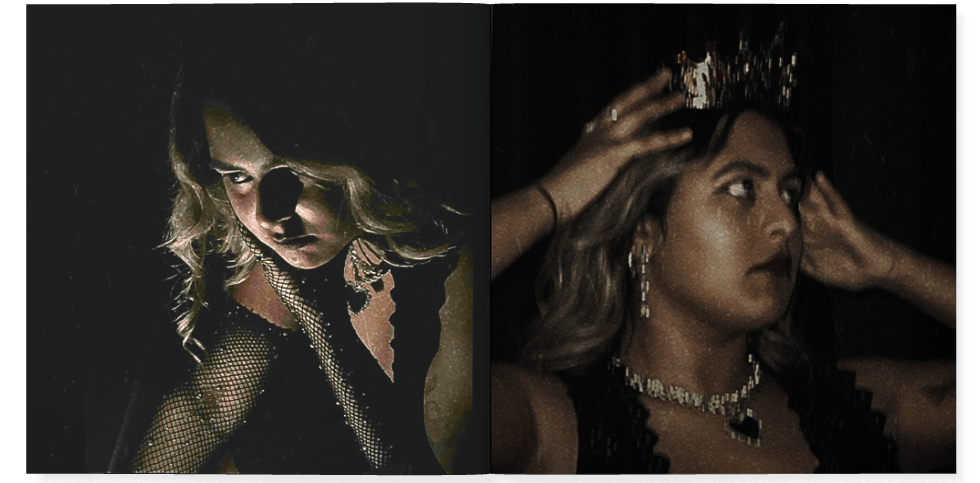
“My actual theatre was just a small room I’d made out of black bedsheets in my house.”
That’s perhaps the most Yorkshire-approved thing about this whole project. No massive budget, no fancy studio, just creativity, determination and making the most of what you’ve got.
If there is one criticism, it’s that certain songwriting structures begin to feel familiar across the twelve tracks. Several songs follow a similar pattern of piano-led intros, gradual builds and stripped-back sections before returning to a larger chorus. Whilst these moments work well individually, the formula can occasionally become a little predictable across the album’s full runtime.
That said, ambition should never be discouraged, and The Last Tickets To The Show is bursting with ambition.
Closing tracks Wonder At The View and Winter’s Ground bring the experience to a fitting conclusion. The former ties directly into the album’s central narrative, whilst the latter offers warmth, reflection and hope after much of the darkness that comes before it. Whilst some listeners may expect a grander finale, Winter’s Ground feels emotionally appropriate as the curtain slowly falls.
Ultimately, The Last Tickets To The Show isn’t chasing trends, radio play or easy commercial success. Instead, it’s a deeply personal and imaginative debut from an artist determined to create something on her own terms.
Is it perfect? No.
Is it interesting? Absolutely.
More importantly, it feels like the work of an artist discovering her voice and beginning to carve out a genuinely unique creative space.
There’s something here worth paying attention to.
As Floyer herself puts it:
“I’d love for people to feel like they’ve been taken somewhere for a little while.”
On that front, she’s done a cracking job.
9/10
In Conversation With Floyer
Following the release of her ambitious debut album The Last Tickets To The Show, we caught up with Birmingham-based artist Floyer to discuss the album’s forgotten theatre setting, the characters inhabiting its world, the challenges of creating a concept record independently and where the project may head next.
The Last Tickets To The Show is described as a twelve-track concept album set within a forgotten theatre. What first inspired the idea for the project?
The concept actually came together after I’d already written quite a few of the songs. They were originally individual stories that I hadn’t necessarily planned to connect.
The idea came from Wonder At The View, which follows two people who manage to get the last tickets to a show, only to find themselves trapped inside a theatre watching a series of disturbing performances.
I thought it’d be interesting if each song on the album was one of those performances and the listener was essentially part of the audience. I quite liked the idea of this forgotten theatre that somehow still operates, almost as though it exists outside of reality.
It gave me a way to bring all these different stories together while still letting each one exist on its own.
Each song introduces a different character. How did you approach creating those characters and their stories?
I didn’t actually sit down and plan twelve characters. Most of the stories already existed before I came up with the album concept.
When I’m songwriting, I tend to write quite subconsciously. Sometimes I’ll start with a lyric and see where it goes and other times I’ll have an entire synopsis in my head. Sometimes I don’t even know what I’m writing about until I’m halfway through.
When I started choosing the album tracks, I began thinking of them as a cast of characters and how each one would fit into the theatre. I decided to give them titles rather than actual names, like The Observer, The Forgotten or The Familiar, because I thought it made them feel more like roles in a performance.
The characters weren’t really created for the theatre. The theatre was created to bring them all together.
The album explores themes of identity, relationships, isolation and observation. Were there particular themes you found yourself returning to most often while writing?
I think relationships are probably one of the biggest themes, although not necessarily romantic ones.
I find it interesting how affection can turn into dependence or how wanting to understand someone can become an obsession. There’s quite a fine line between those things sometimes.
Isolation is another one, particularly feeling disconnected when you’re actually surrounded by people. You could be at a party or in a relationship and still feel completely alone.
Identity is interesting to me because I think we’re all slightly different versions of ourselves depending on who we’re around and there’s often a difference between how we see ourselves and how other people perceive us.
Observation probably ties all of those together because I’ve always been curious about how people behave and what they’re thinking beneath the surface.
I think I return to these themes because people are complicated and there’s always another perspective to explore.
As both the songwriter and producer, how did your vision for the album evolve from its earliest ideas to the finished record?
I think the biggest change was actually in the vocal recordings.
About half of the songs were written and produced a few years ago and I’d never really properly recorded all of them because they’d always just existed as demos.
Coming back to them was quite interesting, especially because my writing and production had developed quite a bit since then.
Rather than singing them exactly how I did in the demos, I could have a lot more fun with the vocal production and experiment with different harmonies, layers and arrangements. It gave some of the older songs fresher life and made them feel closer to the newer material.
Which was definitely needed because after writing, producing, recording, mixing and mastering everything myself, I’ve probably listened to these songs an absolutely ridiculous number of times.
Was there a particular song that came together more easily than the others, or one that proved especially challenging?
Smokey Room was definitely the easiest.
I wrote, produced and originally released it in quite a short space of time. I actually started writing it while drinking, which is quite ironic because the song takes place at a party.
It came from those moments when you’re surrounded by people having a great time but you suddenly find yourself feeling quite melancholic, almost like you’ve mentally stepped away from all the excitement.
It originally sounded a bit more pop but I wanted to experiment with grungier sounds, particularly distorted guitars.
I recorded the vocals pretty much straight away and finished the chorus the next day.
It’s funny because I actually sing it a little differently live, usually adding a higher harmony to the main melody.
Will You Haunt Me? was probably the most challenging because I’d written part of it years ago and couldn’t figure out where to take it.
Eventually, I started exploring the idea of losing someone and being so desperate to hold onto them that you’d accept even the smallest fragments of their presence, even if that meant being haunted by them.
I thought it was interesting to question whether that’s love, dependence or obsession.
The project extends beyond the music through videos, character monologues and The Floyer Issue. At what stage did you realise these ideas would become part of the album’s wider world?
I think I definitely got a bit carried away with how I wanted to release the album.
Once I had the theatre concept, I wanted to flesh out the lore and bring more of what I imagined in my head to life visually.
Obviously, what I pictured and what I could actually film within my budget and space were two very different things.
I even considered which singles had music videos I could realistically make myself.
Considering how grand the theatre is supposed to be, it’s quite funny that my actual theatre was just a small room I’d made out of black bedsheets in my house.
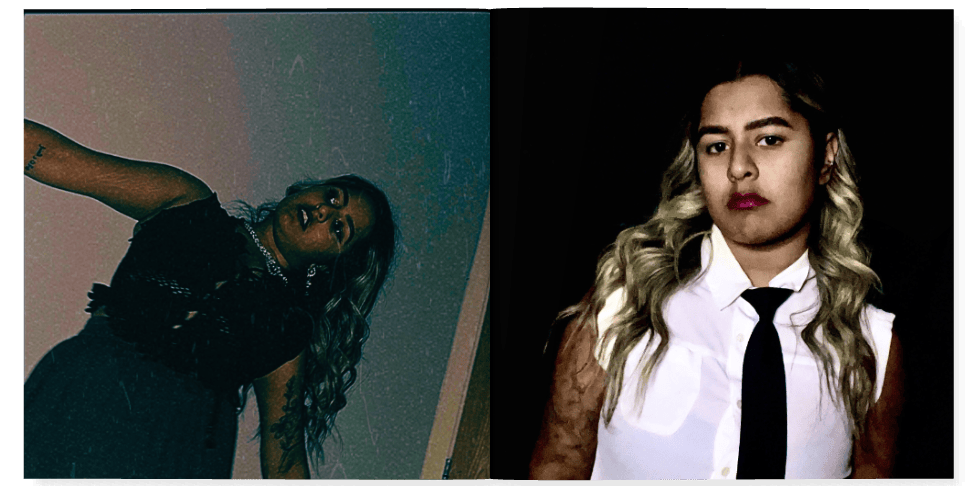
The character monologues came about because I wanted to explore their personalities a bit more outside of the songs, and The Floyer Issue started as an idea to visually differentiate the characters, which somehow turned into an entire magazine.
I think all of it is really for anyone who wants to delve deeper into the fictional world rather than something you need to understand the music.
And obviously, making an entire album myself wasn’t enough work.
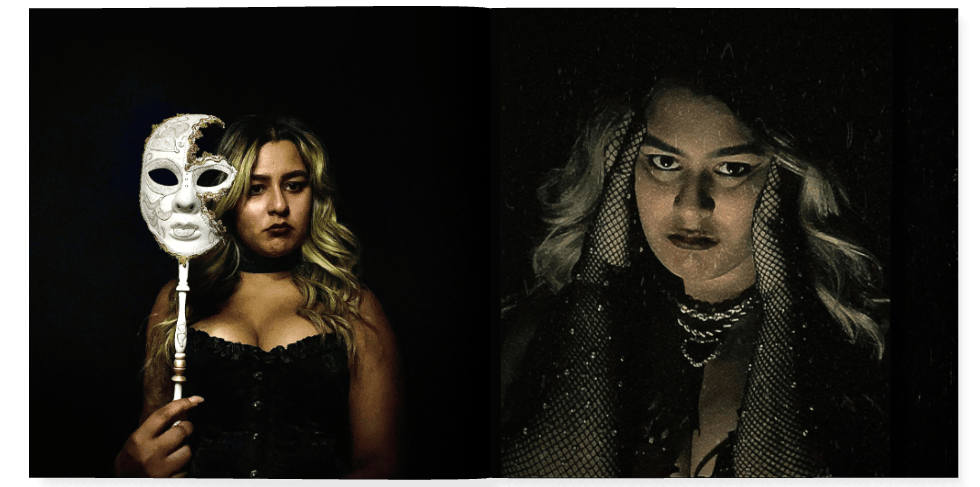
Much of the Floyer project is built independently. What have been the biggest rewards and challenges of taking such a hands-on approach?
I think the biggest reward is having complete creative freedom.
I really enjoy being able to come up with an idea and see it through from start to finish.
I do pretty much everything myself, from writing and producing the music to the artwork, visuals and website, so I’ve ended up learning quite a lot of different skills along the way.
The biggest challenge is definitely time because sometimes it feels like I’m doing about ten different jobs at once.
One day I’ll be working on a song and the next I’ll be trying to fix something on my website.
I’m also terrible at coming up with more ideas when I already have plenty of things I need to finish.
But I do find it really rewarding when something finally comes together, especially knowing how much work has gone into it.
What do you feel makes The Last Tickets To The Show the right introduction to Floyer as a debut album?
I think it brings together a lot of the things I enjoy about making music, particularly storytelling, electronic production, darker themes and theatricality.
The songs are all quite different too. Some are unsettling, some are more emotional and others have a bit of humour or irony to them.
I wanted my debut to feel like an actual experience rather than just a collection of songs and I think it introduces both my sound and the kind of stories I want to tell.
How important is storytelling to your songwriting process?
It’s probably one of my favourite parts of songwriting.
I love being able to imagine characters and situations that don’t necessarily have anything to do with my own life.
I don’t always want to write about myself and sometimes I find it much more interesting to write from someone else’s perspective.
I suppose I see songwriting as a form of creative writing, just with another way of telling the story through the music itself.
Were there any musical, literary or visual influences that helped shape the atmosphere of the record?
I think a lot of it comes from my interest in gothic imagery, horror and contrasting things that don’t necessarily belong together.
I really like the idea of something appearing quite beautiful, romantic or innocent on the surface but having something much darker underneath.
Neighbours, for example, was inspired by the Bonnie and Clyde trope and the way relationships involving crime can sometimes be romanticised.
I thought it’d be interesting to play around with that idea, particularly the contrast between the almost romantic sound of the song and what’s actually happening in the story.
Having lived with these songs throughout the writing and recording process, do you have a personal favourite track or character?
I’d probably have to choose between Screaming At Me, Will You Haunt Me? and Neighbours, although for completely different reasons.
Screaming At Me is special because of Popcorn, my cat, who somehow managed to get himself onto the album.
He started meowing while I was recording a demo and I ended up incorporating his voice into the backing vocals.
Will You Haunt Me? is another favourite because I’m really happy with how it eventually turned out after sitting unfinished for years.
And Neighbours means quite a lot because it was the first song I released with the intention of finally putting out all the music that had been collecting dust on my computer.
What do you hope listeners take away from the album after the final track ends?
I’d love for people to feel like they’ve been taken somewhere for a little while.
Although there are quite a few dark subjects throughout the album, I wanted there to be moments of vulnerability and hope too, which is why Winter’s Ground feels like quite a fitting ending.
I’d also love for people to listen again and pick up on little details they might have missed the first time.
And hopefully they’ll want to come back to the theatre for another performance.
How do you approach bringing the world of the album to life in a live setting?
At the moment, I perform solo with live vocals and backing tracks, so a lot of it comes down to how I deliver the songs and communicate their emotions.
I’d definitely love to develop the theatrical side of my performances more, especially with lighting, visuals and costumes because there’s so much I could do with the whole theatre concept.
I’m still figuring out how I want to bring the Floyer world onto the stage as I perform more shows, which is quite exciting because there’s plenty of room to experiment.
Looking ahead, where do you see the Floyer project going after this release?
I’ve already got quite a few ideas, which probably isn’t surprising because I seem to have a habit of planning the next project before I’ve even finished the current one!
For now though, I want to give The Last Tickets To The Show some time because I’ve spent so long working on it and I’m really looking forward to finally sharing the whole thing.
I’d also love to perform more regularly and keep developing my live shows.
Musically, I don’t really want to limit Floyer to one particular sound or concept. I think storytelling will always be a big part of what I do, but there’s so much more I’d like to experiment with.
Finally, if you could invite any three people, living or dead, to take the last three seats in the theatre from The Last Tickets To The Show, who would you choose and why?
Mike Flanagan would definitely be my first choice because I love how he writes and crafts stories, particularly in his television series.
Caroline Polachek would be my musical choice because I love how experimental she is with her voice and production.
And Samara Weaving would have to take the final seat because I love her performances in horror films, particularly how she balances genuinely disturbing situations with dark humour.
Although, considering what happens in Wonder At The View, inviting three people I admire into a theatre they might never escape from is probably a questionable decision.
Discover More From Floyer
If The Last Tickets To The Show has piqued your interest, you can explore more of Floyer’s music and creative world via the links below:
Listen to Floyer on Spotify:
https://open.spotify.com/artist/4SC935qNn89rGKI1VbZPsH
Follow Floyer on Instagram:
https://www.instagram.com/floyerofficial/
Watch Floyer on YouTube:
https://www.youtube.com/@floyerofficial
From atmospheric synth-pop and theatrical storytelling to behind-the-scenes content, visuals and future releases, there’s plenty more to discover as the world of Floyer continues to expand.

